Use AI to Turn Customer Questions Into Useful Ideas
Collect real customer questions, group recurring problems and choose a small idea to test. Use AI for research without inventing demand.
On this page
AI can help you organise customer questions into themes. Instead of reading a long list of messages and relying on memory, you can prepare a short report showing what people ask, what goes wrong and which questions deserve a closer look.
That is useful for a shop owner choosing what to explain, a freelancer improving a service or a creator planning content. The input is real questions you are allowed to use. The output is evidence you can inspect, not a claim that AI has discovered guaranteed demand.
Collect a small, useful set
Start with your own support questions, feedback or permitted research sources. Keep the question, where it came from and the date. Remove private details the analysis does not need.
Use enough context to understand the question. “It didn’t work” tells you little without knowing what the person tried. You may need a short note about the product or process involved.
For an example of a real FollowAI project, our Reddit analysis build log shows how a large discussion set was organised. Its figures describe that specific recorded run; they are not a promise about your dataset.
Ask for groups with examples
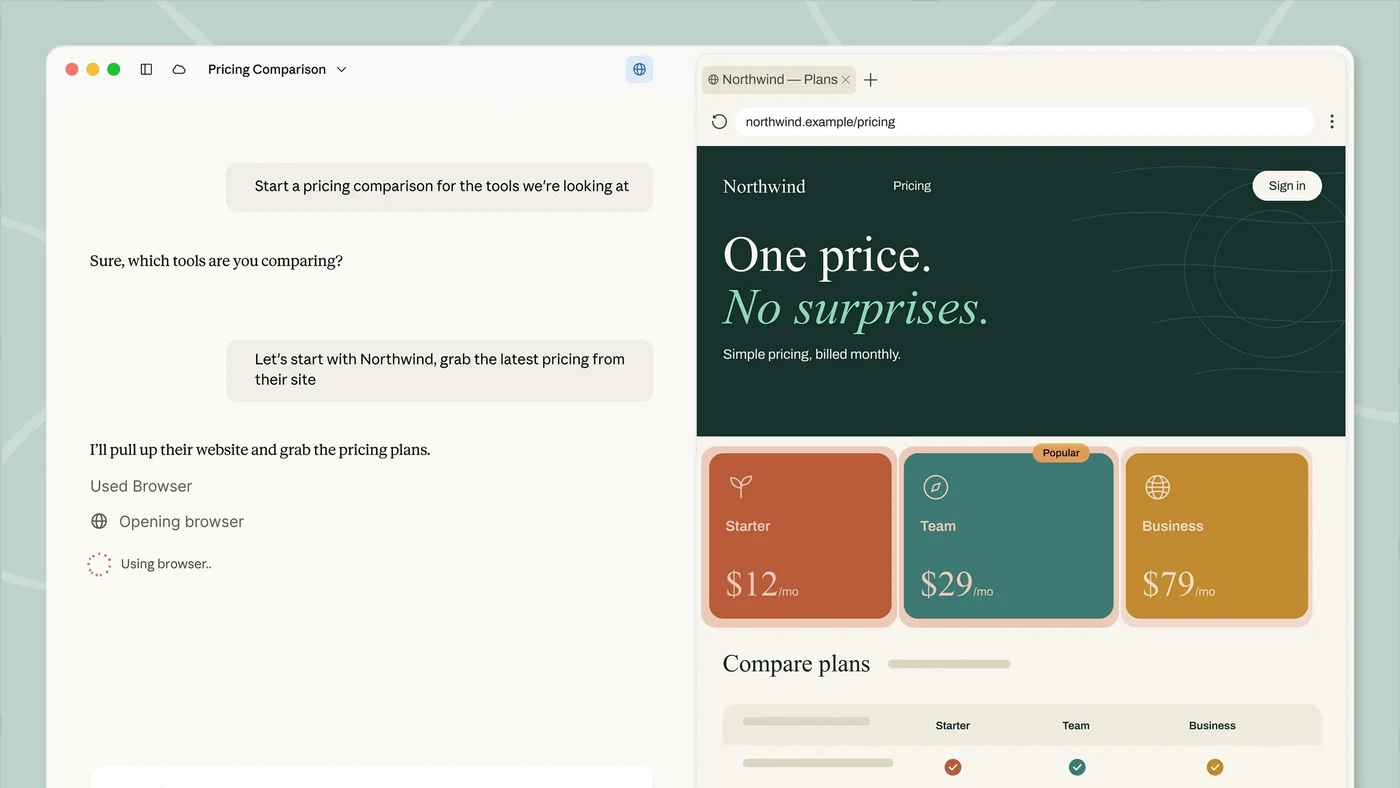
Claude can help summarise and organise material. With Cowork-style file work, you can prepare a report from a selected folder. You can also begin with a smaller set of text you provide directly.
Here is an original research request:
Group these customer questions by the problem being described.
Use plain names for the groups.
For each group, include examples and their source references.
Separate a repeated problem from a single unusual request.
Do not invent missing questions or estimate market size.
Finish with three ideas we could test, not claims of proven demand.
Make the report easy to check
| Group | Evidence to keep | Possible next test |
|---|---|---|
| People ask how to choose | The questions and product context | A clearer selection page |
| People get stuck at one step | Examples of that step failing | A shorter instruction or demonstration |
| People ask for a missing option | The requests and who made them | Ask whether they would use a simple version |
These are illustrative groups. Your report should use the questions in your own dataset, not reuse this table as if it were a finding.
Read the examples yourself
Open a few source records from each group. Do they really describe the same problem? Did the summary miss an important difference? A question about delivery speed is not always a question about delivery cost.
Check whether repeated records came from the same person or a copied post. Counts can describe your collected set, but they do not automatically describe the whole market.
If the source material is too thin, collect better questions rather than asking AI to sound more confident.
Choose one small test
Turn a theme into something you can try: a clearer product description, a short video explanation, a small tool or a simpler form. Choose the result you would look for before making the change.
For example, if people repeatedly ask what information to send for a video order, an AI video brief checklist is a concrete response. Whether it helps your audience still needs feedback.
Keep research separate from the decision
AI is good at helping you organise and draft a report. You know the business context, the resources and what you can deliver. Use both.
Save the sources and the questions you still need to ask. A modest idea backed by visible examples gives you a clearer next step than a confident recommendation with no evidence behind it.
Sources
- Claude: getting started with CoworkOfficial documentation
- FollowAI: Reddit research build logPrimary source