Veo in Google Flow: Make Scenes That Belong Together
Use Google Flow to plan connected AI video scenes, reuse visual references and put your clips into a simple sequence.
On this page
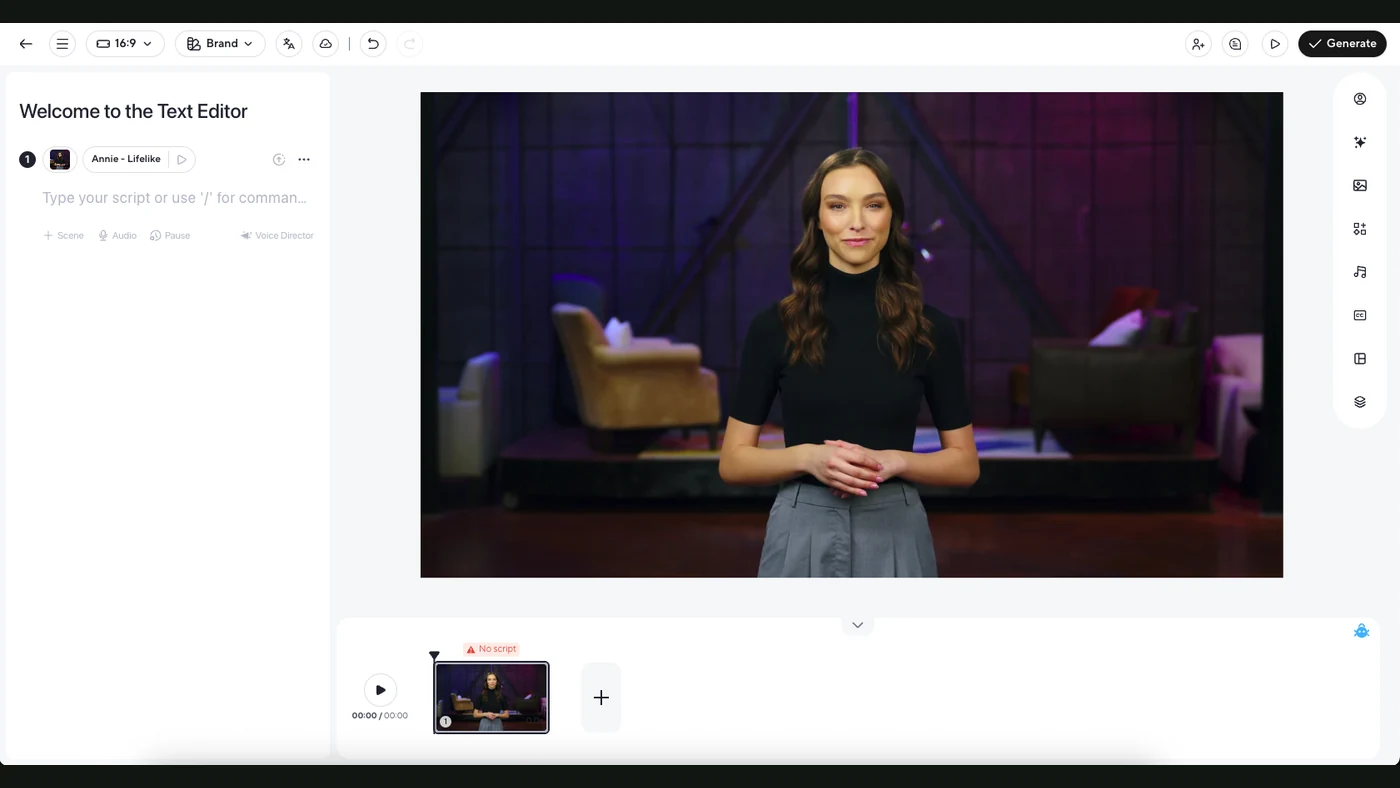
Google Flow is a workspace for making and arranging AI video. Veo is one of the video-model families used inside it. You can start from a text idea, use images as references and build a sequence from individual clips.
That is useful when you want more than one attractive shot. A short product story might show the item, a moment of use and a closing scene. The challenge is making those shots feel like they belong in the same video.
Plan three scenes before generating
Here is an example storyboard for a handmade candle:
| Scene | What the viewer sees | Why it is there |
|---|---|---|
| Opening | The candle on a tidy table | Show the product |
| Middle | A warm room with the same candle | Show the setting |
| Closing | A clean product shot with space beside it | Leave room for your message |
This is a planning example. It is not a claim that AI will reproduce a real product exactly. Keep the original product photographs ready for comparison.
Give the project a shared look
Use a small reference pack: the product, the room and the style you want. Keep lighting and colours consistent. Three different reference styles can pull your scenes in three different directions.
Flow’s video creation guide explains frames and ingredients. Frames can guide the start or end of a clip; ingredients provide visual references. Availability depends on the model and the options in your account.
Before generating, select video and check the model you are using. Flow also has image tools, so a model name on its own does not mean you are about to make a video.
Write each shot as one clear action
An original prompt for the first candle scene could be:
A calm close shot of the candle from the reference image.
The camera moves slowly closer across the wooden table.
Warm light, quiet room, no extra objects entering the scene.
For the next scene, keep the candle reference and the lighting, then change the setting or action. Ask for the things that connect the shots as well as the one thing that changes.
Generate a small set first. If you dislike the style of the opening, fix it before producing several more scenes in that style.
Keep useful frames
When a clip contains a frame that works, it can become a helpful reference for another generation. Flow supports saving frames and using them in later work, as described in its editing and scene guide.
A reference improves your direction; it does not guarantee identical characters or objects. Compare the clips beside each other. Check the product, clothing, background and lighting for changes that break the story.
Put the sequence together
Flow’s Scenebuilder can arrange and trim clips. You can preview the sequence before downloading a scene. Use that stage to decide whether the shots connect, not just whether each shot looks good on its own.
You may still want a separate editor for a final layout, captions, branding or music. Add text where you can control its spelling and position, especially when it contains prices or product claims.
What should you practise first?
Make a short sequence from two scenes that share one object. Keep the action simple and compare the result with your references. Save the prompts you used and note what drifted.
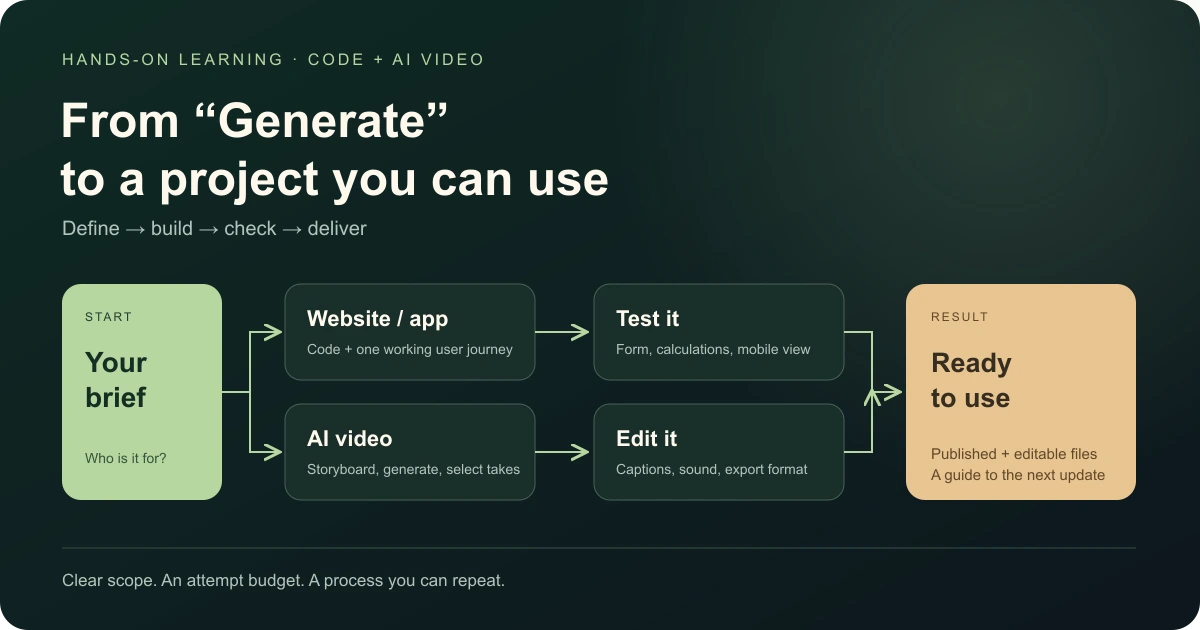
Your first success is a repeatable process: you know how to prepare references, make a scene, check it and reuse a useful result. If you are starting with one photograph, our Kling guide is another straightforward place to begin.
Sources
- Google Flow: create videosOfficial documentation
- Google Flow: edit and build scenesOfficial documentation